
Warehouse Management System (WMS): Why Modern eCommerce Needs More Than Traditional WMS Software
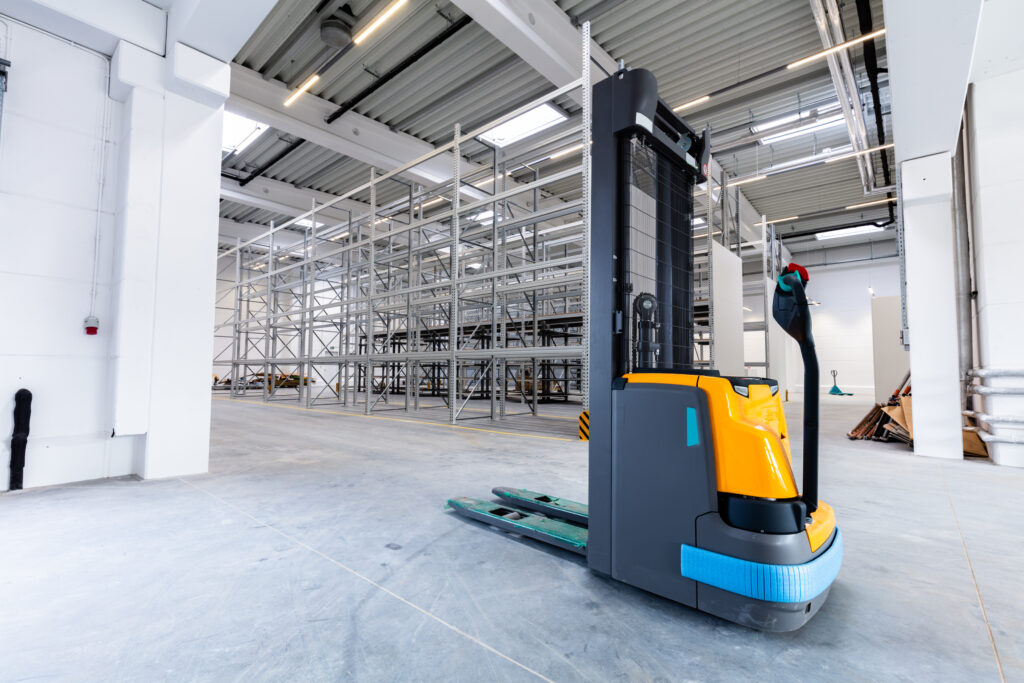
The legacy options: Standalone WMS, cloud WMS, supply-chain-enabled WMS, industry-specific WMS, integrated WMS, and sometimes a lightweight “WMS lite.”
The implication is that companies must simply choose which category fits their warehouse operations best.
But that framing is already outdated.
The reality of modern commerce is that warehouses no longer operate in isolation. They are deeply connected to marketplaces, inventory forecasting, procurement, accounting, customer service, fulfillment partners, and analytics. When companies evaluate WMS software purely as a warehouse tool, they are solving only a fraction of the operational challenge.
This is exactly where the traditional WMS conversation breaks down.
Most warehouse systems were designed to optimize activities inside the four walls of the warehouse: receiving, picking, packing, and shipping. They improve operational efficiency within that environment, but they rarely address the upstream and downstream data flows that drive warehouse activity in the first place.
Orders originate from multiple channels. Inventory forecasts influence purchasing decisions. Customer service teams interact with orders before and after fulfillment. Pricing and marketplace rules change demand patterns. Finance needs real-time visibility into inventory value and fulfillment costs.
Yet in many businesses, these processes live in separate systems.
The result is familiar to anyone managing ecommerce or distribution operations: disconnected software, duplicate data entry, delayed reporting, and constant reconciliation between platforms.
The warehouse becomes reactive instead of strategic.
The Problem With “Types of WMS”
When vendors categorize warehouse systems into types, they unintentionally reinforce the idea that WMS should exist as a separate layer of technology.
Even an “integrated suite WMS” usually means the system connects to an ERP or ecommerce platform through APIs. Integration improves communication between systems, but it still maintains architectural separation. Data must synchronize, workflows must bridge systems, and operational context often gets lost between platforms.
In other words, integration attempts to fix fragmentation rather than eliminate it.
That distinction matters more today than ever before.
Commerce has evolved into a multi-channel, multi-node environment where brands sell across marketplaces, B2B portals, DTC websites, retail distribution, and service networks simultaneously. Warehouses must respond instantly to demand signals from these channels while maintaining precise inventory control and fulfillment speed.
A standalone or loosely integrated WMS cannot fully support this level of operational complexity.
Why 1CA WMS Is Not Another WMS Category
The 1CA Warehouse Management System, built within the broader OneChannelAdmin ERP platform, was never designed to fit into traditional WMS categories.
Instead of treating warehouse management as an isolated operational tool, 1CA WMS exists as a core component of a fully integrated operational ecosystem.
Within the OneChannelAdmin environment, warehouse operations connect directly to order management, product catalog data, marketplace integrations, procurement, CRM workflows, pricing rules, analytics, and accounting. The warehouse does not receive instructions from disconnected systems — it operates on the same unified data layer as the rest of the business.
This architectural difference fundamentally changes how warehouse operations function.
Inventory data is synchronized across every channel in real time because it originates from the same system. Purchase orders automatically reflect demand forecasts and sales velocity. Customer service teams can view order status, fulfillment progress, and inventory availability without switching platforms. Finance teams gain immediate visibility into inventory valuation and fulfillment costs.
The warehouse becomes an extension of the business, not a separate operational silo.
From Warehouse Tool to Operational Backbone

Traditional WMS platforms focus on optimizing tasks: picking routes, bin locations, barcode scanning, and shipping workflows. These capabilities are important, but they represent only the operational layer of warehouse management.
1CA WMS addresses the larger operational context.
Because it operates inside a full ERP environment, warehouse decisions are informed by real-time business data, sales trends, demand planning, vendor performance, pricing rules, and channel-specific order flows. This allows warehouses to operate proactively rather than reactively.
Instead of simply processing orders, the warehouse becomes part of a coordinated operational strategy.
Fulfillment priorities can adjust dynamically based on marketplace SLAs. Inventory allocation can support both B2B distribution and direct-to-consumer sales simultaneously. Procurement teams can respond to inventory movement before stockouts occur.
The system does not just manage the warehouse. It manages the operational intelligence behind the warehouse.
The Future of Warehouse Management
As commerce continues to expand across channels, fulfillment speed and inventory accuracy will become even more critical competitive advantages.
Businesses that rely on disconnected tools will increasingly struggle to maintain operational clarity. Every additional system introduces more complexity, more integration overhead, and more potential points of failure.
The next generation of warehouse management will not be defined by new categories of WMS software.
It will be defined by platforms that unify warehouse operations with the rest of the business.
That is the philosophy behind the 1CA Warehouse Management System. Not another type of WMS, but a warehouse engine built directly into a complete operational platform.
And in modern commerce, that difference changes everything.
Check out our blog about 1CA WMS for 3PLs. We continue to unify internal and external operations.
 English
  Spanish