
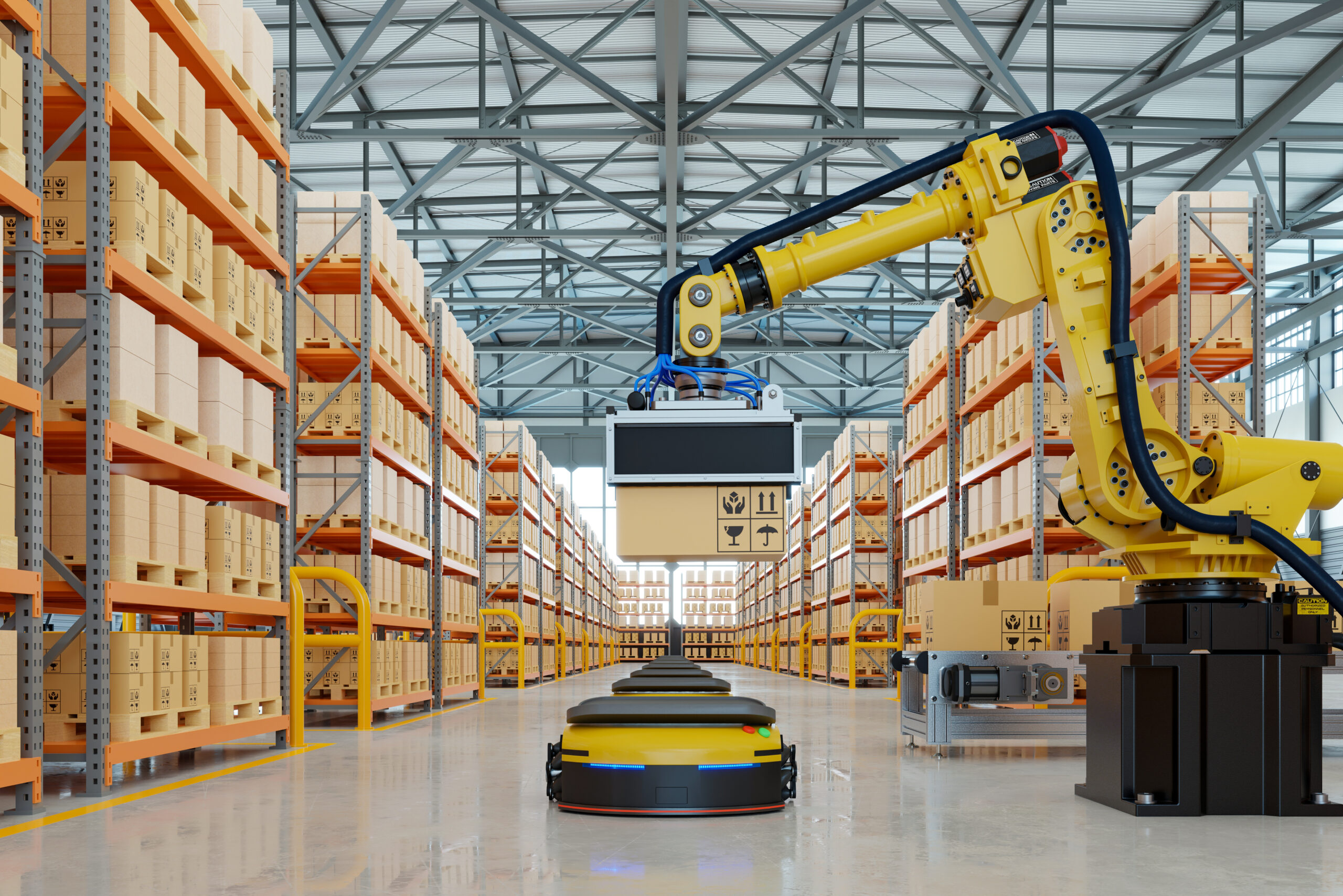
The 3PL Industry Is Growing Faster Than Ever, But So Are the Challenges
The third-party logistics industry is going through one of the biggest transformations in its history.
It has never been so crucial to switch to OneChannelAdmin 3PL Warehouse Management System
For decades, logistics providers focused primarily on warehousing and transportation. Their role was simple: receive goods, store them, and ship them when orders arrived. That model worked well when supply chains were predictable and most businesses sold through traditional retail channels.
Today, that world looks very different.
Modern brands sell everywhere. They operate direct-to-consumer websites, list products on multiple marketplaces, distribute through retail networks, and manage B2B relationships with distributors and partners. Orders are coming from everywhere, inventory must stay synchronized across many systems, and customers expect faster fulfillment than ever before.
As a result, 3PL providers are no longer just warehouse operators. They are becoming technology-driven supply chain partners responsible for keeping entire commerce ecosystems running smoothly.
This shift is happening across the entire industry, and the numbers clearly reflect it.
The global third-party logistics market has already surpassed $1.6 trillion and is expected to grow to more than $4 trillion over the next decade. Companies across every industry are outsourcing logistics operations because it allows them to scale faster and focus on their core business.
At the same time, the rise of eCommerce has dramatically increased the operational complexity inside warehouses. A single fulfillment center may now process orders from dozens of different brands, each operating across multiple sales channels.
The opportunity for logistics providers has never been bigger. But scaling in this new environment requires something many traditional operations were never built for.
It requires the latest and greatest technology.

The New Reality Inside Modern 3PL Warehouses
Talk to almost any warehouse manager today and you will hear a similar story.
Operations are moving faster than ever. New clients are constantly being onboarded. Order volumes fluctuate throughout the year, especially during peak seasons. Inventory needs to stay accurate across multiple systems, and every brand expects complete transparency into their supply chain.
Many logistics providers try to keep up with these demands using a patchwork of software tools. They might run a warehouse management system for internal operations, another system for order management, spreadsheets for inventory reporting, and a collection of integrations connecting everything to clients.
At first, this approach seems manageable. But as the business grows, the cracks begin to appear.
Each new client introduces another layer of complexity. Their product catalog must be imported, their order format needs to be supported, and their systems must communicate with the warehouse.
Soon, teams find themselves spending more time managing technology problems than actually optimizing logistics operations.
This is one of the biggest hidden challenges in the 3PL industry today.
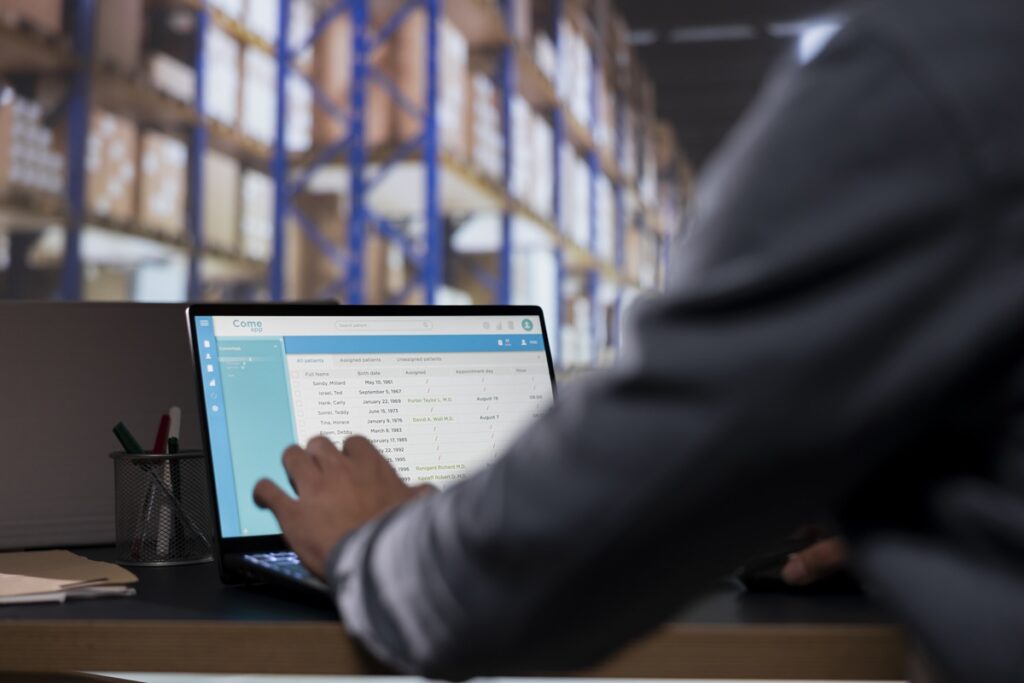
Managing Multiple Clients Should Not Create Operational Chaos
Every logistics provider understands the importance of onboarding new brands. New clients represent growth, new revenue, and long-term partnerships.
However, onboarding often becomes one of the most time-consuming and frustrating parts of the business.
Each brand typically brings its own infrastructure. Some sell through Shopify stores, others through Amazon or marketplaces, and many operate a combination of direct-to-consumer and wholesale distribution channels.
Without a unified platform connecting everything together, warehouse teams must constantly adapt to different systems and workflows. Orders arrive in different formats, product data needs to be imported manually, and inventory must be synchronized across several platforms.
Over time, this creates operational friction that slows everything down.
The more clients a logistics provider supports, the harder it becomes to maintain efficiency.
Inventory Visibility Has Become the Backbone of Modern Fulfillment
Inventory accuracy used to be a simple internal metric. Today, it has become a shared responsibility between logistics providers and the brands they serve.
Brands expect to know exactly how much inventory is available at any given moment. They want to see stock levels across warehouses, marketplaces, and retail channels in real time. If inventory data is outdated or inaccurate, problems quickly cascade across the supply chain.
Overselling products damages customer trust. Delayed shipments create support issues. Inventory discrepancies force teams to spend hours investigating errors that could have been avoided.
For 3PL providers, maintaining accurate inventory visibility is no longer optional. It is one of the most important services they provide to their clients.
Achieving that level of accuracy, however, requires systems that are fully connected.

Why Automation Is Becoming Essential in Logistics Operations
Another major shift happening inside modern warehouses is the growing need for automation.
As order volumes increase, manual workflows quickly become unsustainable. Tasks such as order routing, shipping selection, and fulfillment coordination consume valuable time that warehouse teams could spend improving efficiency.
Automation changes this dynamic completely.
When operational rules are automated, orders can move through the system faster and more accurately. Shipping decisions can be made instantly based on predefined logic. Inventory can be allocated automatically based on availability and location.
Instead of constantly reacting to operational problems, warehouse managers gain the ability to focus on improving overall performance.
For logistics companies trying to scale their operations, automation often becomes the difference between controlled growth and operational chaos.
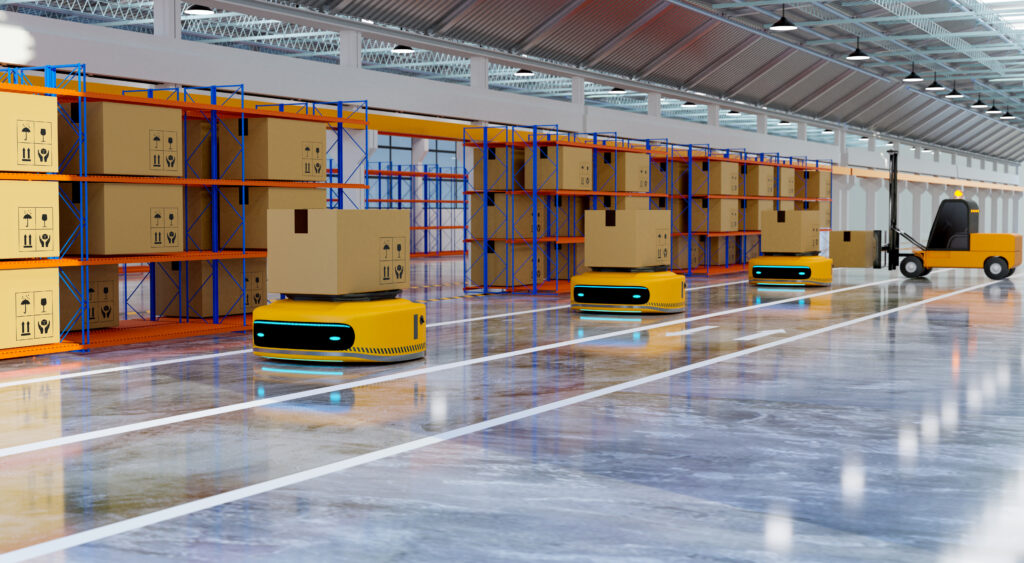
The Most Successful 3PL Providers Are Becoming Technology Platforms
Across the logistics industry, a clear pattern is emerging.
The fastest growing logistics companies are not simply expanding their warehouse space. They are investing heavily in technology that allows them to operate smarter.
Modern 3PL providers are building digital infrastructure that connects every part of their operation. Warehouse management, order processing, client communication, inventory visibility, and analytics all operate within a unified system.
This shift changes the role of logistics providers in a powerful way.
Instead of being viewed as a cost center responsible only for fulfillment, technology-enabled 3PL providers become strategic partners that help brands scale their businesses.
They provide data insights, operational transparency, and seamless integration with commerce platforms.
That is exactly the environment OneChannelAdmin was designed to support.
How OneChannelAdmin Helps 3PL Providers Simplify and Scale Operations
OneChannelAdmin was built around a simple idea.
Logistics providers should not need ten different systems to run their operations.
Instead of stitching together disconnected software tools, OneChannelAdmin brings the essential components of modern logistics infrastructure into one unified platform.
At its core is a powerful warehouse management system designed specifically for multi-client logistics operations. Warehouse teams can manage receiving, storage, picking, packing, shipping, and returns from a single operational dashboard.
This provides real-time visibility into everything happening inside the warehouse.
At the same time, the platform connects directly with the systems that brands and retailers use every day. Orders from eCommerce stores, marketplaces, and B2B channels flow into the system automatically. Inventory updates are synchronized across platforms, ensuring that everyone involved in the supply chain has accurate information.
Because the entire system operates within a unified environment, logistics providers can onboard new clients faster and manage complex operations with far less friction.
Creating a Better Experience for Both 3PL Providers and Their Clients
One of the most powerful outcomes of a unified logistics platform is the improvement in communication and collaboration.
Brands want transparency. They want to know how their orders are performing, how quickly inventory is moving, and where potential bottlenecks may exist.
With platforms like OneChannelAdmin, logistics providers can offer that visibility directly through the system. Clients gain access to real-time data, while warehouse teams maintain full control over operations.
This level of transparency strengthens partnerships and builds trust between logistics providers and the brands they serve.
Over time, that trust becomes a powerful competitive advantage.
Turning Logistics Operations Into a Scalable Growth Engine
When logistics operations are supported by modern technology, something interesting happens.
Instead of constantly fighting operational complexity, teams gain the ability to focus on growth.
New clients can be onboarded faster. Additional services can be offered without dramatically increasing operational overhead. Warehouse teams operate more efficiently, and leadership gains clearer insights into business performance.
In many ways, the platform becomes the foundation that allows the entire logistics business to scale.
This is why so many forward-thinking 3PL providers are now prioritizing digital transformation. They recognize that technology is no longer just a support tool.
It is the infrastructure that powers the future of logistics.
The Next Generation of 3PL Companies Will Be Built on Technology
The logistics industry is evolving quickly, and the expectations placed on 3PL providers will only continue to grow.
Brands will expect deeper integrations, faster fulfillment, and greater visibility into their supply chains. At the same time, competition among logistics providers will increase as more companies enter the market.
Those that rely on fragmented systems will find it harder and harder to keep up.
But those that invest in modern platforms will gain a significant advantage.
They will operate more efficiently, support more clients, and provide a level of service that traditional logistics operations simply cannot match.
See How OneChannelAdmin Powers Modern 3PL Operations
If you operate a fulfillment center or logistics network and are looking for a better way to manage growth, OneChannelAdmin was built for exactly that challenge.
The platform helps logistics providers unify warehouse operations, integrate with brands and retailers more easily, automate fulfillment workflows, and gain real-time visibility across their entire ecosystem.
Most importantly, it gives logistics companies the technological foundation needed to scale in an increasingly complex commerce environment.
The best way to understand the impact is to see the platform in action.
Book a demo and discover how OneChannelAdmin can transform the way your logistics operation runs.
FAQ
What software do 3PL companies use to manage warehouse operations?
Most logistics providers rely on warehouse management systems that track inventory, manage fulfillment workflows, and coordinate shipping operations. Modern 3PL companies increasingly adopt unified platforms that also integrate eCommerce channels and client systems.
Why is technology important for 3PL providers?
Technology allows logistics providers to automate processes, improve inventory accuracy, integrate with client systems, and scale operations efficiently as order volumes increase.
How does OneChannelAdmin support 3PL logistics operations?
OneChannelAdmin provides a unified platform that connects warehouse management, order processing, automation, analytics, and eCommerce integrations. This allows logistics providers to manage multi-client operations more efficiently.
 English
  Spanish